

Introduction
How to Identify and Manage High Lipoprotein A Levels to Reduce Cardiovascular Risks
Lipoprotein A, or Lp(a), is a genetic form of cholesterol that can increase the risk of heart disease and stroke. Elevated levels of Lp(a) often go unnoticed because standard cholesterol tests do not include it. However, with advances in research and treatment, there is hope for managing its effects and protecting heart health.
—
What is Lipoprotein A?
Lp(a) is a particle made of cholesterol and a protein called apolipoprotein(a). It promotes plaque buildup in arteries, increasing the risk of blockages that can lead to heart attacks or strokes. Unlike LDL (“bad cholesterol”), Lp(a) levels are determined by your genes, making it harder to control through traditional means like diet and exercise.
How Can You Identify High Lipoprotein A Levels?
If you have a family history of premature heart disease or unexplained early heart problems, ask your doctor for an Lp(a) test. Identifying high levels early is key to reducing risks.
Who Should Get Tested?
– People with a family history of heart disease or stroke
– Individuals whose LDL levels remain high despite treatment
– Those with early cardiovascular issues without clear causes
—
Latest Advancements in Managing Lp(a)
While Lp(a) cannot be lowered by conventional cholesterol medications, supplements and emerging therapies offer new options for managing its impact.
Supplement-Based Approach
Recent research highlights the benefits of specific nutrients—vitamin C, lysine, and proline—in reducing Lp(a) levels and repairing damaged arteries. These supplements work by:
– Strengthening arterial walls to prevent plaque buildup
– Supporting collagen production, which aids in arterial repair
– Reducing the stickiness of Lp(a), lowering its harmful effects
By combining these supplements with a heart-healthy lifestyle, individuals can potentially reverse arterial damage and reduce heart disease risks.
New Medical Treatments
Advances in RNA-based therapies aim to directly target and lower Lp(a) levels in the blood. These treatments are currently in clinical trials and show promise for high-risk individuals.
—
Practical Steps for Heart Health
1. Control Other Risk Factors: Manage blood pressure, LDL levels, and diabetes to reduce overall cardiovascular risk.
2. Adopt Heart-Healthy Habits: Exercise regularly and eat a balanced diet with whole foods.
3. Try Targeted Supplements: Consider vitamin C, lysine, and proline supplements, as recommended by your healthcare provider.
4. Stay Informed: Discuss emerging treatments with your doctor and monitor progress.
—
Conclusion
High lipoprotein A levels are a serious but manageable risk factor for heart disease and stroke. Early detection, lifestyle changes, targeted supplements, and advancements in medical science offer hope for reversing damage and improving life expectancy. Being proactive about your heart health can make all the difference.
——————————————————————————————————————
Tags:
– Lipoprotein A Management
– Vitamin C for Heart Health
– Cardiovascular Disease Prevention
– Cholesterol and Arterial Repair
– Reverse Heart Disease Naturally
——————————————————————————————————————————-
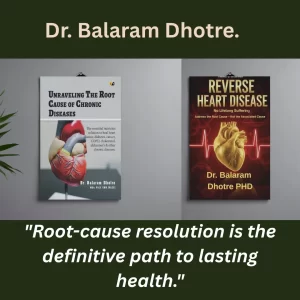
Unraveling The Root Cause of Chronic Diseases

This book is an attempt to help you understand why you fall sick, why you suffer from diabetes, heart disease, etc. To prevent and reverse these diseases is entirely in your hands. You do not need a medical degree to understand the root cause of chronic diseases. “Vitamin and mineral deficiency (Poshak Tattva Ki kami) in the food is the root cause of chronic disease”. Before you eat the food, you need to cook it, eat it, digest it with enzymes, and convert it into energy with the help of vitamins and minerals. The outer coating of the rice and wheat contains vitamins, minerals, and fibre. They, the micronutrients, help transform rice and wheat into energy and other structural components. If you remove them from the food grains to look more appealing in colour or taste, the transformation process will be affected, i.e., disease is the result. This book is your guide to understanding how to take control of your health.
————————————————————————————————————————————— Nutritional supplements like Lypro-C lower lipoprotein(a).
=================================================================
About the Author
Written by Dr. Balaram Dhotre, PhD — Medicinal Chemistry (CDRI, Lucknow), with research experience across several pharmaceutical companies in India. His work focuses on explaining the nutrients the body requires, how the body uses them to function optimally, and how their deficiencies are related to chronic diseases. He is the Founder of Lypro-C and author of Unraveling The Root Cause of Chronic Diseases and Reverse Heart Disease: No Lifelong Suffering.
Click here to get your copy of:::::Reverse Heart Disease: No Lifelong Suffering on Amazon
============================================================================
My Books
===========================================================================
Links on Amazon
Unraveling The Root Cause of Chronic Diseases:
Reverse Heart Disease: No Lifelong Suffering
============================================================================