
True Cause of High Cholesterol, Lipoprotein(a), Atherosclerosis & Heart Disease
Introduction
Discover the true cause of high cholesterol, lipoprotein(a), atherosclerosis & heart disease and how it helps you in lowering your cholesterol and lipoprotein (a) naturally and simultaneously removing arterial plaque and reducing the risk of heart disease and stroke. Providing desired nutrients that the body requires is the best method to lower LDL and lp a cholesterol naturally.
Cardiovascular disease in India
Cardiovascular diseases have emerged as the No 1. killer in India, affecting both the rural and urban populations of the country. Cardiovascular deaths account for 24.8% of total deaths in the country. Primarily, the aged population is affected by this disorder and men are more affected than women. In rural areas, lack of proper medical facilities results in a higher number of deaths as many cases of health emergencies is not met with the medical care needed. Patients with cardiovascular emergencies often die on the way to health care centers or hospitals as remote villages are usually located far-off from such facilities.
This is what we are told as the cause of heart disease!
We are always told that eating saturated fats and cholesterol rich foods is what causes heart disease. It is believed that by recommending the people to eat less saturated fats and cholesterol it is possible to reverse the epidemic of heart disease.
Have a look at Dietary Goals for the United States in order to reverse the epidemic of heart disease in the country.
In 1977, an American committee of the U.S. senate led by George McGovern published the first Dietary Goals for The United States in order to reverse the epidemic of heart disease in the country.
According to their guidelines, the cause and solution for heart disease is as follows:
Cause:
• High cholesterol is a significant risk factor for coronary heart disease and a cause of heart attacks.
• LDL (BAD) cholesterol deposits in blood vessels forming plaques (atherosclerosis) and cause restriction of blood flow.
• The cause of high cholesterol is eating a cholesterol-rich diet and eating saturated fat foods.
- Lipotein(a), also called lp(a) is another major risk factor for heart diseases.
- New drugs called PSSK 9 inhibitors have been developed to lower lp(a) levels.
The true cause of high cholesterol isn’t excess dietary fat, but chronic artery wall damage due to nutrient deficiency.
Solution offered:
• Eat less saturated fat and cholesterol;
• Eat less refined and processed sugars;
• Eat a low-fat high carb diet
Outcome:
In spite of these guidelines, the cardiovascular diseases are increasing year after year. Since then, many randomized controlled trials have shown that this dietary approach doesn’t really work for the people it was meant to help.
update 2026
2026 Guidelines on the management of Dyslipidemia
Modern cholesterol guidelines prioritize aggressive, lifelong LDL control based on your specific cardiovascular risk profile, with stricter targets for high-risk individuals. Optimal ranges and therapies continue to evolve to prevent cardiovascular disease effectively
Treatment goals are now tailored to a person’s underlying heart disease risk: [1]
Very High Risk / Existing Heart Disease: Target LDL-C is < 55 mg/dL.
High Risk: Target LDL-C is < 70 mg/dL.
Low to Moderate Risk: Target LDL-C is < 100 mg/dL.
Familial Hypercholesterolemia: Target LDL-C is < 70 mg/dL
Testing for Lp(a) and Apo B is recommended. Everyone should test these, i.e., Lp(a) and Apo B, at least once in their lifetime. If possible, one should also have a Calcium Score test.
Testing for Lp(a), Apo B & Calcium Score is most welcome. I have been talking about this for the last ten years.
Root Cause of Heart Disease Revealed
हाई कोलेस्ट्रॉल, और हृदय रोग का असली कारण
By playing this video, you agree to YouTube's Terms of Service and Privacy Policy. Learn more at https://policies.google.com/privacy
By playing this video, you agree to YouTube's Terms of Service and Privacy Policy. Learn more at https://policies.google.com/privacy
The true cause of high cholesterol
The GOOD news to all of you……
What the New Research on Underlying Cause of Heart Disease has to say………..
According to latest research carried on in 1990’s it has been discovered that deficiency of multiple nutrients is the underlying cause of heart related problems like, high cholesterol, lipoprotein(a), increased blood pressure and clogging of arteries and cardiovascular health.
Salient Features of the latest scientific research:
The true cause of high cholesterol is not eating saturated fats and oils but deficiency of vital micro nutrients.
Our body is a biological machine and requires various nutrients for carrying out various functions. All these reactions are enzymatic reactions. Each enzymatic reaction is highly specific in nature and requires a set of micronutrients like vitamins, minerals and amino acids. All these micronutrients have to come from food. If all these nutrients are not received in adequate quantity then then the biochemical reaction will be hampered and some complications occur in the body which we call as chronic diseases.
Salient features:
- Our body needs several micronutrients in order to carry out thousands of biochemical reactions in the body.
- Long term deficiency of vital micronutrients like vitamins, especially vitamin c, minerals and amino acids weakens the arteries.
- Fine micro crack or lesions are formed on the walls of the arteries.
- This triggers the liver to produces repair molecules like lipoprotein(a) from LDL cholesterol. This alters the lipid profile. (High LDL, low HDL)
- Lp(a) cholesterol molecules go and stick on the cracks forming arterial plaque. This is to prevent the blood from oozing out of the blood vessel.
-
Learn From The Deficiency Series
High cholesterol follows the same pattern as classic vitamin deficiency diseases. In scurvy, Vitamin C deficiency breaks down the gums. In heart disease, chronic Vitamin C deficiency damages arteries, which triggers the liver to raise Lp(a) and cholesterol as a repair response.
These short articles explain each deficiency in plain language:
- What Causes Beriberi? Vitamin B1 Micronutrient Deficiency
- What Causes Scurvy? Vitamin C Micronutrient Deficiency
- What Causes Pellagra? Vitamin B3 Micronutrient Deficiency
- What Causes Rickets? Vitamin D Micronutrient Deficiency
- What Causes Pernicious Anemia? B12, Folate & Iron Synergy
- Types of Malnutrition: Marasmus and Kwashiorkor
- Lowering vs. Normalizing Lp(a): Why Your Body Needs Building Blocks, Not Just a Blockade
- As the arterial plaque increase over time one starts feeling the symptoms of heart disease. To understand what’s happening in the wall, read about the steps of atherosclerosis.
………..these research findings are published in scientific literature…..
The true cause of high cholesterol is really not cholesterol rich foods or saturated fats. It is the deficiency of vital nutrients over long period of time that causes high cholesterol and high lipoprotein(a). High cholesterol and its underlying cause are now known and scientifically proven and is published in scientific literature.
And for why cholesterol rises as a repair molecule:
Root cause of high cholesterol, high lp(a) cholesterol, atherosclerosis & CVD
High cholesterol, high lipoprotein (a) levels, heart blockage formation, high blood pressure & cardiovascular diseases are all interrelated and have the same common cause and that is nutritional deficiency.
The real cause of all chronic diseases like cancer, diabetes and heart disease is NUTRITIONAL DEFICIENCY in the body.
The World Health Organization has already has already notified that all chronic diseases are diet related. WHO recommends eating plenty of fruits and vegetables to prevent the incidence of chronic diseases.
The standard medical approach targets lowering Lp(a) and LDL numbers, but Lp(a) isn’t the cause — it’s your body’s repair response to arterial damage from Vitamin C deficiency. For the nutritional approach that addresses the root cause — weak collagen from missing Vitamin C, lysine, and proline — see the Lp(a) & LDL Reduction Supplement.
Do LDL levels increase, or Artery gets Damaged First?
What happens first is very important. You regularly eat saturated fats, and your LDL levels increase. You eat inflammation-causing food, and your LDL levels increase. You eat a high-carb diet, and you become insulin-resistant. This increases your blood LDL levels.
Conventional medicine has given three mechanisms for causing heart disease. The LDL levels in the blood increase first, and then the artery damage. Then atherosclerosis starts.
It is important to know what happens first: LDL increase or artery damage. According to the alternative theory, the artery is damaged first. Why are the arteries damaged first? Read this article, “The Root Cause of Heart Disease: It’s a Synergistic Nutrient Deficiency, Not Saturated Fats,” to learn whether blood LDL levels rise first or the artery gets damaged first.
Heart Disease and Chronic Diseases, Cause – Nutritional deficiency
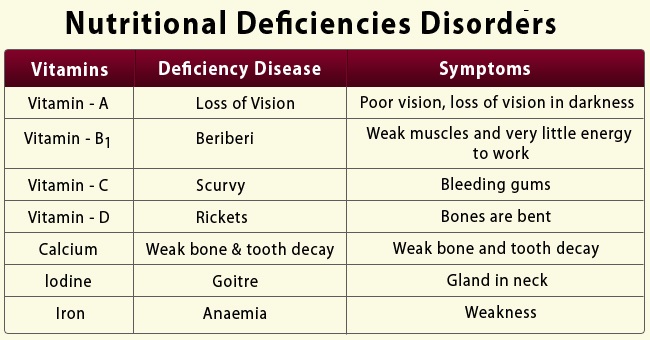
Our body is a biological machine which needs various nutrients to perform thousands of biochemical reactions in the body. If there is deficiency of any nutrient in the body then we get symptoms related to that nutrient. Several nutrient deficiency diseases are known.
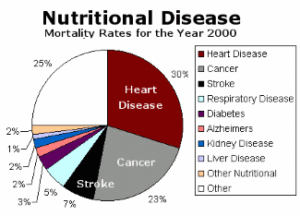
According to former U.S. Surgeon General, Dr. C. Everett Koop, of the 2.4 million deaths that occur in the United States each year, 75% are the result of avoidable nutritional factor diseases. That number is conservative. Here’s a chart of the nutritional factor diseases cited by Dr. Koop (CDC):
Nutritional Deficiency Disorders
Water Soluble Vitamins:
B complex vitamins (Thiamine, Riboflavin, Niacin, Pantothenic Acid, Biotin, Vitamin B-6, Vitamin B-12 & Folic Acid) Vitamin C.
Fat Soluble vitamins:
Fat-soluble vitamins are absorbed through the intestinal tract with the help of lipids (fats). Fat intestinal tract lipids Fat-soluble Vitamins require bile acids to absorb fat-soluble vitamins. Because they are more likely to accumulate in the body, they are more likely to lead to hypervitaminosis than are water- soluble vitamins. Hypervitaminosis Fat-soluble vitamins include vitamins A, D, E, K.
Minerals:
There are two kinds of minerals: Major or Macro minerals are minerals your body needs in larger amounts. They include calcium, phosphorus, magnesium, sodium, potassium, chloride and sulfur.
Trace minerals are required in small amounts. These include iron, manganese, copper, iodine, zinc, cobalt, fluoride and selenium.
Nutritional Deficiency Visibility in Plants
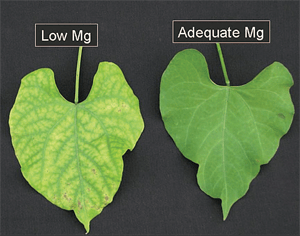 The effect of nutrient deficiency is visible in plant kingdom. Example – The effect of Magnesium deficiency in plants is easily visible to the naked eye. If the plant is not getting sufficient magnesium from the soil you will find the color of the leaf is not completely green but slightly yellowish.
Nutritional deficiency in human beings:
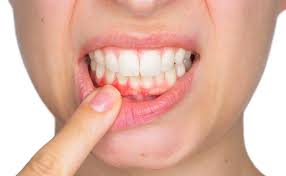
In our body also changes take place due to deficiency of nutrients. Some of the deficiency symptoms are visible to the eye, especially if it has affected the skin. Changes that take place inside the body cannot be seen. It can just be felt in the form of symptoms of the disease.
Bleeding gums is caused due to vitamin C deficiency. The blood comes out of the small blood capillaries. This is visible to us. On the contrary similar thing happening in our arteries cannot be seen with the naked eye. We can only feel the symptoms.
In case of heart disease symptoms are felt only when blockages increase upto 70% and more.
Function of cells in the body
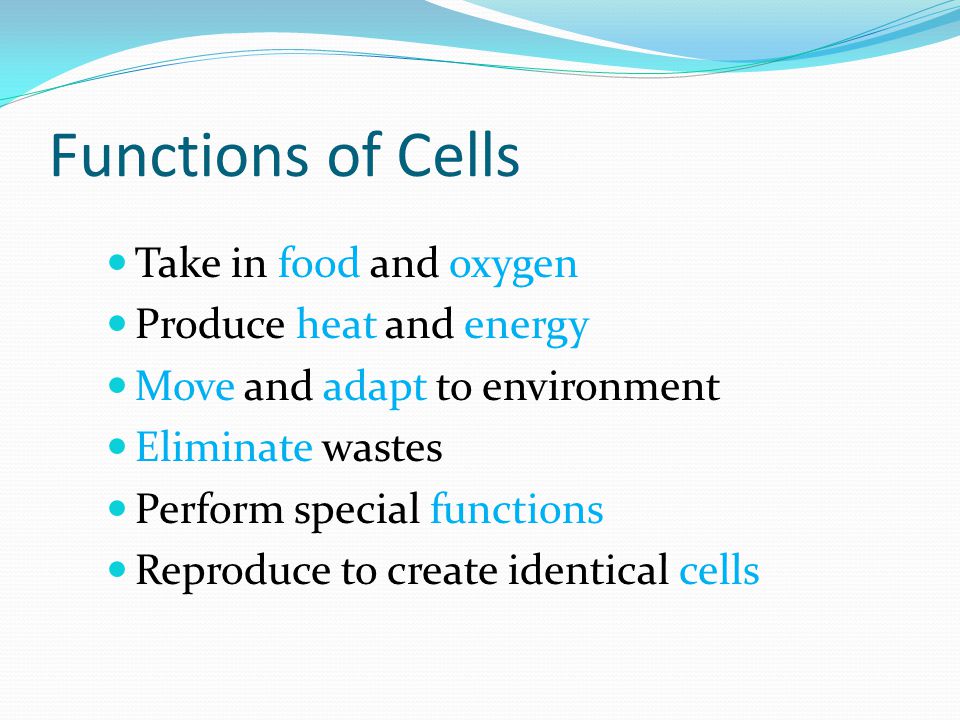
Our body contains trillions of tiny cells and each cell works independently performing several biochemical reactions.
The cells can perform a multitude of different functions:
• Gland cells produce hormones;
• White blood cells produce antibodies;
• Heart muscle cells generate and conduct biological electricity for the heartbeat.
The macronutrients like carbohydrates, fats and proteins provide the fuel and the micronutrients act as the biocatalysts.
A number of biocatalysts are present in the body that are required to perform multitude of biochemical reactions. The important biocatalysts are:
Biocatalysts
- Vitamin C
- Vitamin B1
- Vitamin B2
- Vitamin B3
- Vitamin B6
- Vitamin B2
- Vitamin B12
- Carnitine
- Coenzyme Q10
- Minerals
- Trace Minerals
Are all these biocatalysts produced in the body
Many of these essential biocatalysts and bioenergy molecules are not made in the body and must be supplemented in our daily diet.
Examples…
Essential amino acids: Lysine, histidine, methionine, leucine, phenylalanine, tryptophan, threonine, valine and isoleucine.
Essential fatty acids: Linoleic acid (LA), gama-linelonic acid (GLA), arachidonic acid (AA), alpha linolenic acid (ALA), eicosatetraenoic acid (EPA) and docosahexaenoic acid (DHA).
Vitamins: Vitamin C
Minerals: calcium magnesium, potassium, phosphorous, sulfur, copper, zinc, chromium silica and boron.
Certain vitamins, amino acids, minerals and trace elements are among the most essential nutrients for the optimum function of each cell. Without optimum intake of these essential nutrients, the function of millions of cells becomes impaired and diseases develop.
Nutrient Deficiency & Heart Disease
Case #1:
Optimal Nutrition and Liver: Normal Blood Cholesterol Levels
When the body gets all the MICRO NUTRIENTS in SUFFICIENT QUANTITY then the cells function optimally. Under these conditions:
- The liver synthesizes required amount of cholesterol. Vitamin C acts as a natural HMG Coenzyme A inhibitor.
- Liver makes normal levels of LDL. HDL & Lipoprotein(a)*.
- The arteries are strong and healthy. The connective tissue just below the endothelial layer is healthy.
- The blood pressure is normal because there is no obstruction for the flow of blood to the heart.
- The heart pumps optimally at a constant rate.
- Circulatory system is healthy. The heart gets ample amount of oxygen and nutrients.
- The collagen synthesis is healthy. As a result, the connective tissue is strong and healthy.
*Note: Lipoprotein(a) is another important lipid molecule similar to LDL cholesterol. Its levels are determined by genetics. Generally, in healthy persons it is present from 0.1 to 3%. It plays a great role in heart disease. It is considered as an independent risk factor of heart disease. Recent scientific studies show that the plaque attached to the arteries consists mainly a lp(a) cholesterol and not LDL cholesterol. For a deeper dive into testing, see our guide on how Lp(a) is measured
For people with high Lp(a) and LDL, a targeted Lp(a) & LDL reduction supplement like Lypro-C can help normalize lipid levels while addressing nutrient deficiencies.
*Note: Lipoprotein(a) is another important lipid molecule similar to LDL cholesterol. Its levels are determined by genetics. Generally, in healthy persons it is present from 0.1 to 3%. It plays a great role in heart disease. It is considered as an independent risk factor of heart disease. Recent scientific studies show that the plaque attached to the arteries consists mainly a lp(a) cholesterol and not LDL cholesterol.
Nutrient Deficiency & Heart Disease – True Cause
Case #2:
Deficiency of nutrients weakens arteries and promotes atherosclerosis….
Deficiency of certain nutrients like vitamin c, lysine and proline, weaken the arteries, trigger formation of repair molecules like lipoprotein (a) and promote atherosclerosis. As the atherosclerosis progresses heart disease develops.
- The coronary artery is constantly subjected to mechanical stress due to the pumping action of the heart 24/7. This is one reason for arteries to become weak.
- The blood vessel walls are protected by the collagen matrix just below the endothelium layer. The nutrients required for collagen synthesis are vitamin c, lysine, proline and trace minerals like zinc, copper and manganese.Our body does not make its own vitamin c and lysine. Long term deficiency of vitamin c produces fine cracks in the arteries. The artery wall thus becomes weak. This is called endothelial dysfunction. The blood tries to flow out through these fine cracks or lesions.
- Weak arteries trigger the formation of repair molecules like lipoprotein (a) in the liver. Lipoprotein (a) is made from LDL by attaching an additional protein called apo(a).
- Lp(a) is highly atherogenic molecule. It is 300 times more atherogenic than LDL cholesterol.
- Lipoprotein (a) goes and attaches on the fine cracks formed in the blood vessel walls. This deposit is called as arterial plaque. The process of deposition of Lp(a) and other factors present in the blood including LDL and calcium is called as atherosclerosis. (True Cause of atherosclerosis). It is natures way to protect the blood oozing out of the blood vessels.
- When the liver starts making lipoprotein(a) from LDL cholesterol the blood cholesterol levels become abnormal. We find higher levels of LDL and lipoprotein(a) in the blood. The HDL levels tend to be low. The lipid profile shows that our cholesterol levels are high. (True cause of high Cholesterol)
- As the atherosclerotic plaque increases in size we feel the symptoms of heart disease. The blood pressure also rises. In the initial stages we never get any symptoms. The blockage may take place in the arteries (coronary artery disease), carotid arteries (stroke) or in legs (peripheral artery disease). (True cause of heart disease and stroke).
- If an unstable plaque blocks the artery one gets attack
===========================================================================
Deep-Dive Research on Cholesterol Synthesis & Dietary Dynamics
To fully understand the true cause of high cholesterol and how metabolic pathways dictate lipid shifts, explore our comprehensive, root-cause guides below:
- Dietary Triggers: Saturated Fats or Carbohydrates: Which Drives Lipid Shifts?
- The Liver’s Role: How the Liver Produces Lipoproteins (LDL, HDL, and Triglycerides)
- Advanced Biomarkers: Lipoprotein(a) Levels and Why They Matter for Cardiovascular Health
Conclusion
Nutritional deficiency of vitamin C and other micronutrients over a long period of time is the true cause or root cause of high cholesterol, high lipoprotein(a), blood pressure, atherosclerosis and heart disease. The deficiency of nutrients weakens the arteries due to impaired collagen synthesis. This triggers the liver to make repair molecules like lp(a) which form arterial plaque. Ultimately as the plaque grows in size heart disease results. This ties directly to the Pauling-Rath approach on Vitamin C deficiency and artery damage.
Conventional medicine believes that “lowering Lp(a) by 20 30% with drugs like PCSK9 inhibitors solves the problem. It does not”
Add: We break down the data on whether statins lower Lp(a) and what that means for cardiovascular risk.
Best option to normalize cholesterol levels and increase immunity
The best option to lower cholesterol levels to normal is to strengthen the arteries and remove arterial plaque. When the arteries become clean blood flow increases, heart gets ample amount of oxygen and nutrients and the liver starts making cholesterol in the normal range. Moreover our immunity also increases.
I hope you enjoyed knowing the truth about “True Cause of High Cholesterol, Lipoprotein(a), Atherosclerosis & Heart Disease”. True cause has a true solution.
Lypro-c is a nutritional supplement for the above problems.
FAQ
Q: Is high Lp(a) genetic?
A: Lp(a) levels are ∼90% genetically determined, but the damage it’s responding to isn’t. Learn how familial hypercholesterolemia and Lp(a) interact.
===============================================================
Read the Next Chapter:
Reduce Cholesterol Nutritionally-Clinical Evidence
About The Author
Dr. Balaram Dhotre, PhD is a researcher in nutritional biochemistry and author of Unraveling The Root Cause of Chronic Diseases and Reverse Heart Disease: No Lifelong Suffering. His work focuses on Vitamin C deficiency, collagen synthesis, and the role of Lp(a) as an emergency repair mechanism in arterial disease. Read full bio →
Medical Disclaimer: This content is for educational purposes only and does not replace professional medical advice.
Pingback: Reduce Cholesterol Nutritionally & Lower lp(a) & reverse atherosclerosis