

Introduction
The very definition of chronic diseases is “a disease that lasts more than 12 months,” or perhaps lifelong. A disease that is not healed within a short time, like other infectious diseases. Heart disease, diabetes, cancer, etc., are examples of chronic diseases for which doctors say there is no cure. That’s why we suffer from chronic diseases for so long. We manage these diseases. We manage the symptoms of diabetes. We manage the symptoms of heart disease. If you do not manage heart disease symptoms, it can lead to more severe complications, such as a heart attack, heart failure, and stroke. Unmanaged high blood pressure and high cholesterol can cause damage to arteries, making them more susceptible to blockages. The same is the case with all other diseases.
Why is this article written?
The reason why I am writing this article is many. It is my firm belief that healing chronic diseases in a short time must be possible. Lifelong suffering may not be necessary.
Imagine how beneficial it would be for the entire community if healing were made simple. The whole world will be a happy place to live in.
Everyone has a right to live a healthy life. People need a true solution where their suffering can be drastically reduced to less than 12 months. People can live a healthy life and be happy. It will reduce their stress and financial burden. It will also reduce the country’s financial burden.
I am making a simple attempt to look into this matter of lifelong suffering from chronic diseases. With infectious diseases, we suffer for a very short time. With diseases like malaria, typhoid, and viral infections, we recover within a few days, weeks, or a month.
If I can analyze and find the difference between the two types of diseases, infectious disease and chronic disease, I should be able to get some important clues. This clue can help me find a true solution, an effective solution, or a reliable solution to treat chronic diseases.
At this moment, it seems that cause plays an important role in understanding diseases. How has the cause been assigned to infectious diseases that heal fast? How has the cause been designed for chronic diseases? What is the difference between the two?
I would also like to analyse the man-made machines. Failures occur in them as well. How these problems are identified and solved in the case of man-made machines. Is it easier or difficult to find faults in man-made machines? Which methods are used to identify the cause of their failure? Are their faults immediately solvable, or do they have to be maintained just as in the case of human beings?
Cause of diseases & duration of suffering
The origin or cause of disease is known as etiology, which includes factors like pathogens, genetics, and environmental influences. Diseases can be caused by extrinsic factors from outside the body (e.g., infections, toxins, injuries) or intrinsic factors from within the body (e.g., genetic disorders, aging, organ malfunction).
Etiology of Infectious Diseases
Diseases can be caused by extrinsic factors from outside the body. This means the cause of the disease, or pathological change, came from outside of the body. This is true for most of the infectious diseases. Examples are malaria, dengue, viral infections, COVID-19, typhoid, and so on.
In infectious diseases, an external agent enters the body and harms the body’s tissues and causing illness. A disease occurs when the pathogen’s activities harm the host’s tissues, produce toxins, or trigger a damaging immune reaction.
Disease Caused by Extrinsic Factors
Example: Viral infection
Some examples of viral infections are: chickenpox · COVID-19 · hand, foot, and mouth disease · influenza (flu) · measles · mpox (monkeypox). Many a time, in the initial phases the type of virus that has attacked cannot be found easily. In most viral infections, our immune system tries to protect us and within a few days we recover. From the symptoms, some causes can be identified.
Example 1: Malaria
A malarial infection is a disease caused by the Plasmodium parasite, transmitted through the bite of an infected female Anopheles mosquito. Symptoms include fever, chills, headache, and fatigue, and severe cases can lead to complications like jaundice and convulsions.
Antimalarial medications can cure malaria, especially if started early. You might need to stay at the hospital, at least to start your treatment. Treatment can last for about two weeks, but you might start feeling better in a few days.
In the case of an infectious disease like malaria, the true cause is known. The true cause is infecting the body with the malaria parasite. The true cause is known, and a corresponding solution is also available. The solution is the antimalarial drug.
Here, the healing is possible because the true cause is known and a corresponding true solution is also known.
Example 2: Typhoid
Typhoid infection is a bacterial infection caused by Salmonella Typhi, spread through contaminated food or water. Symptoms include a prolonged, high fever, weakness, abdominal pain, headache, and sometimes a rash of rose-colored spots on the trunk. If left untreated, complications like intestinal bleeding or perforation can occur. A range of antibiotics is available to treat Salmonella typhi.
In case of Typhoid, the true cause and a corresponding true solution is known.
In case of “Exrrinsic Factors” as cause of diseases, the true cause is known and a true solution is also known. Under these circumstances healing takes fast.
Disease Caused by Intrinsic Factors
Example 1: Anemia
Anemia is an example of an intrinsic factor and not an external factor.
Anemia is a condition where the body lacks enough healthy red blood cells or hemoglobin to carry adequate oxygen to tissues, leading to symptoms like fatigue, weakness, and shortness of breath.
Common causes include iron, vitamin B12, or folate deficiency. Only one nutrient may be deficient, or all may be deficient.
A blood test helps determine the cause of anemia. A blood test shows which nutrient is deficient. By providing those nutrients to the body, anemia is healed. Life-long suffering is not necessary for anaemia.
Here, also, the true cause and true solution are known.
Example 2: Scurvy
Scurvy is a disease caused by a severe vitamin C deficiency, leading to symptoms like fatigue, bleeding gums, and limb pain.
It is caused by a lack of vitamin C in the diet and can be treated and prevented by consuming vitamin C-rich foods like fruits and vegetables or taking supplements.
If left untreated, scurvy can be fatal and cause other severe health problems, including tooth loss, poor wound healing, and increased risk of infection
Here, the true cause is known, and a true solution is also available
Based on the above examples, I make a presumption: For fast healing, a true cause should be known and a corresponding true solution should be known.
In case of “Intrinsic Factors” as cause of diseases, the true cause is known, which is some vitamine deficiency. A true solution is also known. Under these circumstances healing takes fast.
Core concept for Healing
Now we have identified some of the requirements for healing diseases fast. If the disease is caused due to pathogens like, viruses, bacteria, or fungi etc., then there are some synthetic drugs available to treat those infections. These drugs can be used to kill those pathogens and cure the disease fast, without having to suffer lifelong.
Similarly, if some of the diseases are caused due to intrinsic factors like a deficiency of certain vitamins and minerals, then they too can be cured fast. No need for lifelong management of diseases.
We can make a generalized statement as follows:
If the cause of the disease is X, and the corresponding solution offered is Y, then following the recommendation should make us healthy.
If the patient follows the recommendations as per the true cause, then his health will be transformed for sure and in a short duration of time.
Etiology of chronic diseases
The etiology of chronic diseases is complex, involving a combination of lifestyle factors, genetics, and infections. According to conventional medicine, the exact cause of chronic diseases is not known, but there are risk factors that can contribute to chronic diseases.
Key risk factors include tobacco use, poor nutrition, physical inactivity, and excessive alcohol consumption. These are recalled as modifiable risk factors. This means that we can control these risk factors. If we wish to stop smoking, we can stop smoking.
Out of these four risk factors, the primary risk factor is poor diet, or unhealthy diet.
Over time, several other risk factors have been added to the list of these four risk factors. They are genetics and heredity, obesity, high blood pressure, diabetes, sleep, stress, and mindfulness.
According to the medical community The Cause of Chronic Diseases is Multifactorial”
Many Chronic Diseases & the Same Risk Factors.
Chronic diseases include conditions like cardiovascular diseases (e.g., heart disease, stroke, PAD), diabetes, respiratory diseases (e.g., asthma, COPD), and neurological disorders (e.g., Alzheimer’s, Parkinson’s). Other examples are cancer, arthritis, chronic kidney disease, mental illnesses like depression, and autoimmune disorders like lupus. The list is long.
Whatever risk factors are associated with heart disease, the same risk factors are associated with all other chronic diseases. You may ask why. I have researched and found that heart disease was the first chronic disease that was studied in America. In the 1930’s the people suffering from heart disease had increased in America. The Government and policymakers were confused as they had very little information about this disease. Its cause was not known. Attempts were made to find its cause, and in 1960 saturated fats-heart disease theory was proposed.
The cause of heart disease was found as due to eating saturated fats. Eating saturated fats causes high serum cholesterol levels. Excess LDL damages the arteries and causes plaque deposition. Then the heart disease results. So, the cause of heart disease was related to an unhealthy diet. Saturated fats were blamed for being bad. During these studies, it was observed that smoking, drinking alcohol, and a sedentary lifestyle also cause high cholesterol levels. Therefore, a single cause was not assigned to heart disease. They said it is multifactorial.
Dietary guidelines were developed based on heart disease theory. Lifestyle change was suggested as a preventive measure.
Then later, the same cause was assigned to all other chronic diseases. They are: unhealthy diet, smoking, drinking alcohol, and a sedentary lifestyle.
Since heart disease was the first chronic disease studied systematically, we’ll use it as the standard to represent all chronic diseases in our discussion.
65 years of suffering from heart disease
For the last 65 years, people have been suffering from heart disease. Millions of people are managing this disease with the help of statins, blood thinners, and lifestyle management.
Also, millions of people are suffering from other chronic diseases and are on drugs, hoping that they will be cured one day.
People are tired of taking pills daily. It is badly affecting their life. Regular medical check-ups, hospital visits are too expensive and not affordable to the common man. Everyone wants to come out of this vicious circle.
The most important reason for this suffering is that the medical community assigns the cause of heart disease and other chronic diseases as multifactorial.
We suffer from heart disease because the cause of heart disease is multifactorial. The exact cause is not known. However, there is only one primary risk factor for heart disease, and that is “Unhealthy Diet”. The rest are all risk factors, some under our control and some not in our control.
According to the heart disease theory:
- Eating saturated fats increases serum LDL cholesterol levels.
- People who smoke have high serum LDL levels.
- People who drink alcohol have high serum cholesterol levels.
- People who do not exercise and live a sedentary lifestyle have high LDL cholesterol levels.
Out of the four risk factors, only an unhealthy diet is the primary risk factor. Maximum contribution up to 99% should come from diet.
This is because Our body is entirely made up from the food we eat, the water we drink and the oxygen we breathe.
The remaining three factors are just our behaviours. They are under control, and it is not difficult to control them. They can be easily controlled.
Some people are neither smokers nor drinkers, and do exercise regularly, but who are suffering from heart disease.
Core Concept 1
If the cause of the disease is X, and the corresponding solution offered is Y, then following the recommendation should make us healthy.
The assigned cause of heart disease is eating saturated fats. If we eat saturated fats, then our blood cholesterol levels will increase. The LDL cholesterol levels are high, and the HDL levels are low. An increase in serum LDL levels is the first step in heart disease causation. Then the other steps follow.
The corresponding solution offered was to eliminate saturated fats from the diet. Replace saturated fats with unsaturated fats.
- The cause of heart disease = x = eating saturated fats.
- The corresponding solution = Y = avoid eating saturated fats
If we stop eating saturated fats, our liver should make normal levels of serum LDL levels.
If we replace eating saturated fats with unsaturated fats, or no fat at all (zero fat), in a few months, our serum LDL levels should be normal.
In case of malaria infection, administering an antimalarial drug helps the person recover from malaria.
In case of scurvy, administering Vitamin C helps the person recover from scurvy.
If a patient is suffering from Anemia, giving Vitamin B12, folic acid, and iron relieves the patient from anemia.
But, friends, look. Is this happening with heart disease? You have replaced eating saturated fats, that was blamed to be causing heart disease, with seed oils, olive oil, and other unsaturated fats. You have also taken care not to avoid eating trans fats.
The official 1961 AHA policy and subsequent dietary guidelines advocated for replacing saturated fats with polyunsaturated fats, like those found in seed oils. Randomized controlled trials in the 1960s and 1970s did show that this replacement could lower blood cholesterol, but most failed to show a corresponding decrease in heart attacks or mortality. The Minnesota Coronary Survey, for example, did not find that replacing saturated fats with vegetable oils reduced cardiovascular events or death.
The reason why we suffer from chronic diseases for so long
If implementing the recommended solution Y fails to make the person healthy, then something is wrong with the assigned cause X of the disease.
The reasons we continue to suffer from heart disease are:
- We are trying to cure a disease whose cause is basically faulty.
- The cause assigned (eating saturated fats) to heart disease may be wrong.
- The method used to assign the cause may be faulty.
- The method followed to find the cause may be correct, but it may not be suitable for a chronic disease like heart disease.
- The solution offered worked only if the assigned cause is correct.
What are the implications of assigning the wrong cause of disease? The first thing is that we never get cured. We take drugs unnecessarily. What we should have done is focus more on diet. Because we are all made from the food we eat. Any mistake made here will harm us more.
What should be done now? How to solve the puzzle?
Is it so difficult to lead a healthy life, without the fear of a heart attack, without fear of having diabetes or cancer?
Human beings can land on the moon precisely at the right location at precisely the right time.
They can identify the fault with computers and software within a short time.
The fault in the car can be found in minutes.
But when it comes to the human beings body, a living machine, a fault cannot be found. This is the irony of conventional medicine.
I know how to find the exact problem. This can be done easily. Find out what method was used to study the cause of heart disease. Why has saturated fat come to be blamed as bad fat? Why did LDL cholesterol come to be known as bad cholesterol?
Historical background of the saturated fat heart disease theory.
How are epidemic diseases studied?
I will review here how the cause of heart disease was studied. Heart disease is the first chronic disease whose cause was studied scientifically.
The study of infectious diseases is called epidemiology. Diseases such as viral infections, cholera, malaria, flu, etc, are studied by this method.
An epidemiologist is a scientist who studies epidemic diseases. Where the disease originates, and how it spreads, how many people are affected, how deadly the disease is, etc. Their job is to systematically study populations—not individuals—to answer crucial questions:
- Who is getting sick?
- Where and when is the disease spreading?
- Why is it spreading in that particular way?
Epidemiology examines how diseases spread, identifies specific risk factors, and informs public health strategies.
Essentially, these experts track outbreaks and pinpoint the source of an infection. Then they suggest the most effective way to control and prevent the disease from taking hold in a community.
Method used by Dr Ancel Keys to study the cause of heart disease.
Epidemiology is a well-established method to study epidemic diseases. In this method, a group of people who are suffering from heart disease is questioned, and their blood reports are checked. The data collected is then statistically analysed, and the report is generated. This was the standard scientific method available at that time, which Dr Ancel Keys used.
Even today, most of the scientific studies are carried out with the epidemiological method. So, we cannot blame Dr Ancel Keys for choosing that method.
In the 1930’s many people started dying due to heart disease. The situation was very alarming, and the scientific community and public authorities did not know what to do. The cause of the disease was not known.
During this time, Dr Ancel Keys undertook the work of investigating the cause of heart disease. He collected the medical reports from different countries and analysed their blood samples. He also interviewed them and found out what they eat and what their habits are.
The results of his investigation are:
- The people interviewed ate mostly non-vegetarian food rich in saturated fats.
- The blood samples of people suffering from heart disease show high levels of serum LDL cholesterol.
- People who smoke, drink alcohol, and who are physically inactive also have high levels of serum LDL cholesterol.
He also had the following facts before him:
- Patients suffering from heart disease had higher levels of LDL cholesterol.
- The plaque in the arteries also consisted of LDL cholesterol.
Based on the above facts, he concluded that “eating saturated fats is the cause of heart disease”.
He theorised that eating saturated fats increases serum LDL cholesterol levels. The excess LDL cholesterol then damages the arteries, forming lesions. The LDL deposits in the lesions form an arterial plaque.As the plaque grows, heart disease results.
He gave the following reasons for the cause of heart disease;
- Eating saturated fats;
- smoking;
- drinking alcohol and
- physical inactivity.
Recommendation to prevent heart disease.
He recommended eating unsaturated fats. He suggested replacing saturated fat with olive oil. He had observed that people eating the Mediterranean diet had a low incidence of heart disease. These people mainly ate olive oil. Therefore, he recommended eating olive oil.
Birth of dietary guidelines and lifestyle recommendations
The public health authorities were very much impressed by Dr Ancel Keys’ work. They introduced the Dietary Guidelines for Americans.
In the dietary guidelines, saturated fat came to be blamed as a bad fat. And the cause of heart disease came to be called risk factors. The four risk factors of heart disease are an unhealthy diet (primary risk factor), smoking, drinking alcohol, and physical inactivity.
Summarizing, I can say that Dr Ancel Keys found the risk factors of heart disease but not the true cause of heart disease.
Many people think that eating saturated fats is the true cause of heart disease. No one has told that it is an associated cause. And an associate cause may not be causal.
A statistically based cause is not a physiological cause
According to a population-based study, an unhealthy diet, rich in saturated fats, is the cause of high serum LDL levels.
The association or correlation between saturated fats with increases in serum LDL levels is a statistically derived cause. It is not a physiological cause.
Does saturated fat play a role in LDL synthesis in the liver? Does it help combine cholesterol with the protein apolipoprotein B 100 (ApoB 100), forming LDL cholesterol? No such function of saturated fats is found in the body.
Saturated fats are used as a source of energy and for storage under the skin. It provides warmth to the body.
Similarly, excess LDL is assumed to damage the arteries and then get deposited. LDL’s function is to carry cholesterol and supply it to all the parts of the body. Its function is not to damage the arteries. It is just like saying, a clot is formed first, and then the finger is cut by a sharp blade.
The associated cause is not causal
You do whatever you want; you cannot reverse heart disease, or for that matter, any other disease, by addressing the associated cause.
Avoiding saturated fats cannot help. It is a recommendation based on a flawed theory. If you lower LDL with statins or cholesterol-lowering foods, you cannot reverse your heart disease nor prevent it. Your approach is basically wrong.
That is the reason, friends, why we cannot heal chronic diseases in a short period of time. My humble request to you is to try to understand the food and its role in the body.
In the name of lifestyle changes, holistic lifestyle changes, our focus diverts from diet to other risk factors, like sleep, stress management, and mindfulness.
Relationship between our body and food.
Our body is made up of the food we eat, the oxygen we breathe, and the water we drink. Then there is a blueprint that knows how to convert that food into all the cells, tissues, organs, systems, and everything that is needed to keep the body healthy.
It is a living machine. You know how the car works. Now, try to learn how the body works. Learn what the food contains.
If any organ of the body is affected, the body will repair it. If your bone is broken, your body will repair it. If your artery is damaged, the body will repair it. Find out what it needs. You just have to supply the food to the body. You have to supply all the nutrients present in the food daily. You check that all nutrients are provided to the body. You see that nutrients aren’t destroyed in the body.
If you fail to supply some essential nutrients, the body’s functions will be affected. Realise the body’s function is more important than the risk factor.
Miss giving nutrients to the body, and you have the disease
If you miss giving nutrients to your body, you can develop malnutrition, which can lead to a variety of diseases and severe health problems.
Malnutrition can involve not getting enough overall calories (undernutrition) or not getting enough specific vitamins and minerals (micronutrient deficiency).
The consequences of nutrient deficiency vary depending on the nutrient, but can affect every organ system in the body.
Common deficiencies and related diseases
Protein and calorie deficiencies
- Kwashiorkor: A severe protein deficiency characterized by a swollen belly, fluid retention (edema), hair discoloration, and skin changes.
- Marasmus: A severe deficiency of both protein and total calories. Symptoms include extreme muscle and fat wasting, and an emaciated appearance
Vitamin and mineral deficiencies
Vitamin and mineral deficiencies are common health issues caused by a lack of essential micronutrients, leading to a variety of symptoms such as fatigue, weakened bones, and impaired cognitive function
Physiological causes of heart disease
I have shown you that saturated fats have no role to play in LDL synthesis, nor in cholesterol synthesis. Similarly, LDL cholesterol has no role to play in artery damage.
The inner layer of the blood vessel is called the Intima. The intima contains endothelial cells and is covered by a thin layer of collagen. Endothelial cells line the interior surface of the blood vessel and rest upon a basement membrane, which is the collagenous layer.
When vitamin C is deficient in the body, lesions are formed in the arteries. These lesions are formed in arteries nearer to the heart because in this region, the arteries experience drastic changes in pressure. There is constant expansion nd contraction of blood vessels.
The wear and tear takes place. New collagen has to be constantly made as and when wear and tear takes place. Collagen is mainly made of proteins. Therefore, it needs essential amino acids like lysine and proline, which are generally deficient in food. Vitamin C is also required for collagen synthesis.
Deficiency of these nutrients in the body leads to the formation of lesions in the arteries. The body wants to prevent the blood from entering the blood vessel wall. The body helps us to survive. It does not want us to die early. So it sends a message to the liver to make excess LDL and Lipoprotein(a). This LDL or Lp(a) goes and deposits in the lesions, forming a plaque.
This is the exact explanation of the cause of heart disease.
What do you have to do now? The endothelial function is affected due to a lack of certain nutrients. Therefore, the liver function is affected. It starts making abnormal lipid levels. It also makes lipoprotein(a). Lp(a) is more atherogenic than LDL.
Don’t bother much about risk factors like sleep, stress, and mindfulness. If you can, it is good. Most important is eating foods that are rich in vitamin C, lysine, and proline. Take steps to prevent depletion of these nutrients in the body.
Many times, sufficient nutrients will not be available from food. Therefore, you can take some supplements. Vitamin C, lysine, proline, Riboflavin, and Magnesium complement worked better. Reverse the disease with supplements and then start taking a proper nutrient-dense food.
Addressing the true cause assures healing from heart disease. not only heart disease, but also all chronic diseases like diabetes and even cancer.
With the associated cause, you cannot heal your body. You just keep on trying and trying. A true cause offers a corresponding true solution. Healing chronic diseases needs a true cause to be known.
Books suggested for reading
Unraveling the Root Cause of Chronic Diseases is a book worth reading. It provides all scientific information on to support the root cause of chronic diseases.

Supplement
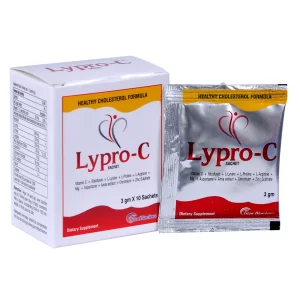 Click the link here:
About Author
Written by Dr. Balaram Dhotre, PhD — Medicinal Chemistry (CDRI, Lucknow), with research experience across several pharmaceutical companies in India. His work focuses on explaining the nutrients the body requires, how the body uses them to function optimally, and how their deficiencies are related to chronic diseases. He is the Founder of Lypro-C and author of Unraveling The Root Cause of Chronic Diseases and Reverse Heart Disease: No Lifelong Suffering.
Click here to get your copy of:::::Reverse Heart Disease: No Lifelong Suffering on Amazon
=========================================================================
Links on Amazon
Unraveling The Root Cause of Chronic Diseases:
Reverse Heart Disease: No Lifelong Suffering
References
Etiology of Disease | Definition, Categories & Examples: https://study.com/learn/lesson/etiology-disease-categories-examples.html
The Infectious Etiology of Chronic Diseases: Defining the Relationship, Enhancing the Research, and Mitigating the Effects: Workshop Summary: https://www.ncbi.nlm.nih.gov/books/NBK83680/
Etiology: Understanding the Causes and Origins of Disease: https://oncodaily.com/oncolibrary/etiology